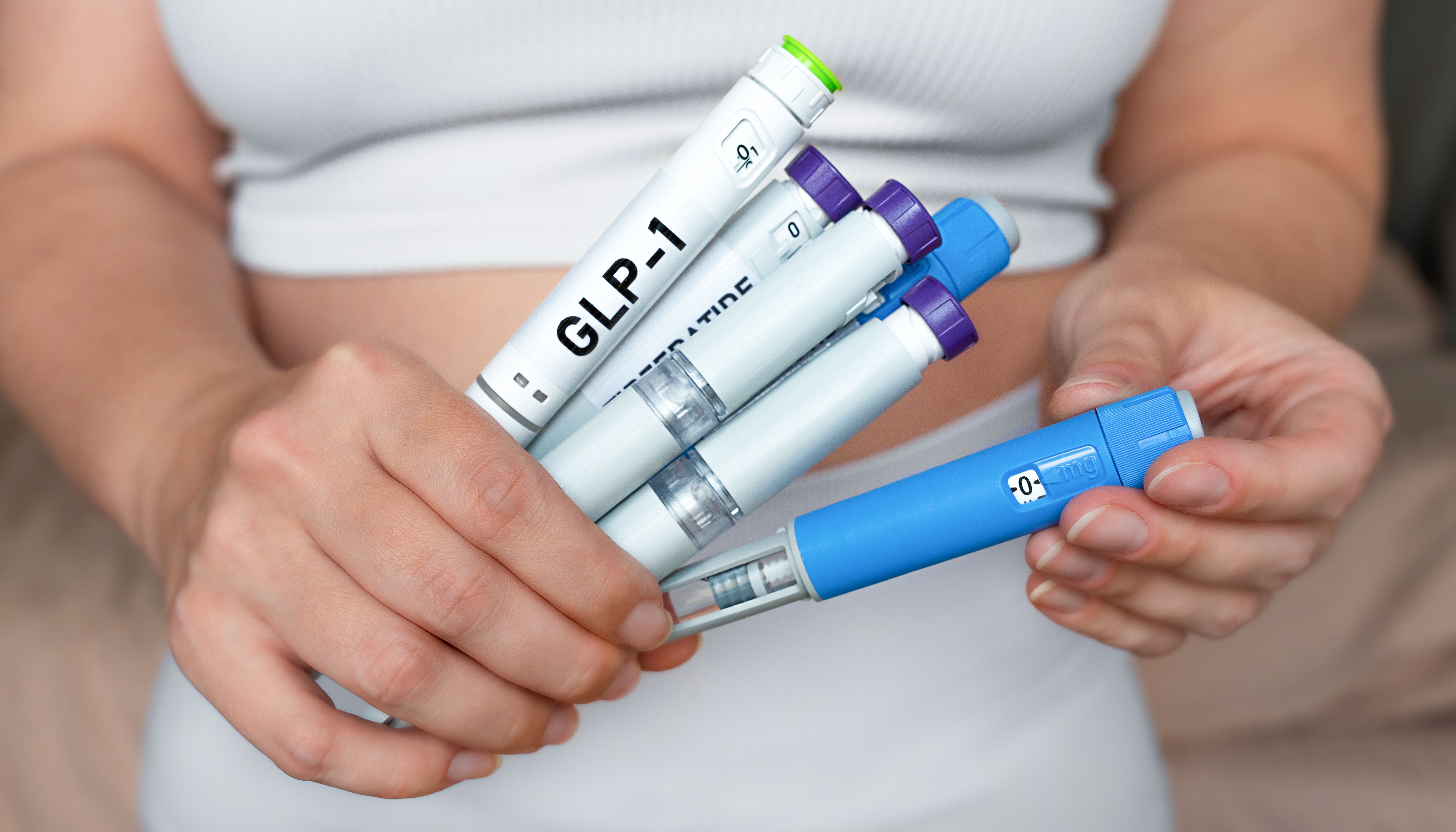



The first phase of the GLP-1 revolution was a race to develop better drugs but the next may be a race to control what happens around them. For the past several years, competition in obesity has centered largely on the medicines themselves.
Novo and Eli Lilly demonstrated levels of weight loss that changed expectations for what obesity drugs could accomplish. Competitors responded with new molecules, combinations, oral formulations, and longer-acting therapies.
Investors and industry analysts understandably focused on efficacy, tolerability, manufacturing capacity, and which company might have the next blockbuster. Those questions are not going away.
But the market is moving from competition over molecules to competition over prescriptions — and increasingly to competition over the entire patient journey. CVS Health’s recent expansion of its weight-management services offers a useful glimpse of this shift.
In August, the company lowered the price of a MinuteClinic digital weight-loss visit to $29, with no membership or recurring monthly fee. CVS describes the offering as combining an online visit with a licensed clinician, potential same-day medication pickup at ~9,000 CVS Pharmacy locations, and in-person pharmacist support.
“Obesity is a chronic disease, and weight regain after treatment discontinuation remains an important concern. Yet maintaining very large populations indefinitely on costly pharmacotherapy creates an obvious affordability challenge for employers, insurers, government programs, and patients. That tension makes maintenance one of the most important unresolved questions in the obesity market.”
There is nothing particularly revolutionary about offering obesity care virtually. Ro, Hims & Hers, Noom, and others have been simplifying access to weight-management treatment for years.
What makes CVS interesting is what sits behind the visit: MinuteClinic, a large pharmacy network, pharmacists, CVS Caremark, digital capabilities, and extensive relationships with employers and health plans. The $29 consultation is not really the story, it is the front door.
The Prescription Is Only the Beginning
Anyone who has watched a patient try to obtain a GLP-1 knows that receiving a prescription is only the beginning. First, a patient has to find a clinician and determine whether treatment is appropriate and then comes insurance coverage.
Insurers may require prior authorization, they may deny coverage, and even when insurance covers the medicine, the patient’s out-of-pocket cost may remain too high. Manufacturer assistance may help, but patients still have to understand which programs apply to them and whether they qualify.
Then they have to find the medicine and begin treatment. Once therapy starts, a different set of challenges emerges.
Clinicians may need to titrate doses and they may have to manage gastrointestinal adverse effects (AEs). Patients need to remain on treatment long enough to achieve meaningful results, while nutrition, physical activity, and behavioral changes still matter.
Eventually, if the patient loses substantial weight, an even harder question arises: What happens next? American healthcare has traditionally divided these activities among different organizations:
- The clinician prescribes.
- The health plan or employer determines the pharmacy benefit, often working through a pharmacy benefit manager (PBM) that manages formularies, prior authorization, and other access requirements.
- The pharmacy dispenses.
- The manufacturer provides patient assistance.
- A digital-health company may offer follow-up or coaching.
- The employer or health plan finances much of the treatment.
The patient is often left connecting the pieces and that fragmentation creates friction, and friction matters. An effective medicine creates little value for a patient who cannot obtain it.
A prescription is of limited value when authorization fails. Coverage does not solve the problem if treatment remains unaffordable.
And successful initiation means less over the long run if AEs, inadequate support, or other barriers lead the patient to discontinue therapy. As obesity treatment expands to a much larger population, reducing those points of friction becomes a competitive opportunity.
Who Will Own the Patient Relationship?
What makes the obesity market particularly interesting is that organizations are approaching this opportunity from very different starting points. Digital health companies saw the problem early.
Ro built its Body Program around access to GLP-1 therapies, ongoing provider support, dose adjustments, AE management, and coaching. Hims & Hers now offers access to FDA-approved GLP-1 therapies alongside ongoing care and digital support.
Noom has come from another direction, combining its long-standing behavior-change approach with clinical care and obesity medications. Their common advantage is a consumer orientation.
Digital acquisition, convenient onboarding, frequent communication, and continuing engagement are central to the model.
CVS is coming from the opposite direction. It already has much of the healthcare infrastructure and is trying to make that infrastructure easier for consumers to enter.
MinuteClinic can provide a clinical entry point. CVS Pharmacy can fulfill prescriptions. Pharmacists can support patients at dispensing.
Caremark occupies an important position in pharmacy benefit management. CVS also works with employers and health plans trying to manage the rapidly growing cost of obesity treatment.
Providers represent another possible center of gravity. Primary care organizations, health systems, and specialized obesity practices already possess something many newer entrants are trying to build: a trusted longitudinal relationship with the patient.
Amazon provides an important example. Its One Medical GLP-1 Management Program combines primary care and virtual care offerings with Amazon Pharmacy as a pharmacy option. Amazon Pharmacy adds pricing transparency and delivery capabilities, while One Medical can keep clinical management anchored within primary care.
Pharmaceutical manufacturers are also moving closer to patients. LillyDirect describes itself as Lilly’s direct-to-patient pharmacy experience. It works with licensed third-party dispensing pharmacies and can connect patients with care when they need a provider, while also supporting savings, home delivery, and retail pickup.
Novo’s NovoCare platform similarly connects patients with Wegovy (semaglutide) through self-pay options, insurance coverage information and savings support, telehealth resources, and home delivery and pharmacy pickup. Importantly, NovoCare Pharmacy’s cash/self-pay channel operates outside insurance even for patients who have coverage but elect to self-pay.
And payers and employers cannot remain on the sidelines. They finance much of the treatment and therefore have strong incentives to influence eligibility, preferred therapies, utilization, and the evidence required to justify continued spending.
Five different models for coordinating the GLP-1 journey are beginning to emerge.
These models will increasingly overlap. The strategic question is not who owns every component of obesity care, but who becomes the trusted coordinating node connecting the crucial transitions in the patient’s journey.
These organizations compete, but they also need one another:
- A manufacturer needs distribution and reimbursement.
- A digital-health company needs medicines and pharmacy partners.
- Providers need affordable access for their patients.
- Pharmacies need prescriptions.
- Employers and health plans need mechanisms to manage spending and demonstrate value.
GLP-1 competition is therefore beginning to look less like a contest among individual products and more like a contest among ecosystems built around the patient.
Maintenance Is the Next Battleground
Most of the GLP-1 market today is focused on getting patients onto therapy and helping them lose weight. The harder commercial challenge may come later.
Obesity is a chronic disease, and weight regain after treatment discontinuation remains an important concern. Yet maintaining very large populations indefinitely on costly pharmacotherapy creates an obvious affordability challenge for employers, insurers, government programs, and patients.
That tension makes maintenance one of the most important unresolved questions in the obesity market. The answer may not be one medicine at one dose forever.
Some patients may remain on their original therapy. Others may eventually use different doses or formulations.
As oral therapies become more important, the market may eventually support different formulations at different stages of treatment, including transitions between injectable and oral therapy for selected patients. Some patients may require treatment escalation if weight returns.
Nutrition, physical activity, and behavioral interventions will continue to matter throughout. The obesity journey may therefore evolve through several stages: initiation, dose optimization, goal attainment, maintenance and, when necessary, treatment escalation. That would change the competitive landscape.
A company could have an excellent medicine for producing initial weight loss without necessarily having the best solution for maintaining the outcome. Oral and injectable formulations could eventually occupy different roles rather than simply competing for the same prescription.
If the clinical evidence supports such approaches, the ability to transition selected patients smoothly between therapies, doses, and supportive interventions could itself become a source of value. This is also where the five models may compete differently.
Manufacturers may seek to keep patients within a portfolio of therapies. Digital-health and behavioral platforms may emphasize continuing engagement.
Providers may see maintenance as part of longitudinal clinical care. Payers and employers will focus heavily on whether continued treatment produces sufficient value to justify its cost.
Integrated healthcare companies may try to connect several of these functions. Winning the initial prescription may therefore become only one part of winning the patient journey.
The Launch Playbook Has to Change
This creates a particular challenge for the next generation of obesity-drug companies. A new entrant could arrive with impressive efficacy, improved tolerability, or a convenient formulation and still face a difficult market.
By then, Lilly and Novo will have more than established products. They will have physician familiarity, payer relationships, patient-support infrastructure, distribution experience, and increasingly direct pathways to consumers.
At the same time, other organizations may control important points through which patients enter and remain in treatment. Commercialization planning therefore needs to begin earlier and reach further than it traditionally has.
Well before approval, manufacturers should be asking how quickly patients can move from interest to treatment.
- Will major digital-health platforms prescribe the medicine?
- Will providers see a meaningful role for it in the treatment pathway?
- Will health plans and PBMs provide access?
- Can patients obtain it easily?
- What happens when insurers deny coverage?
- How will clinicians manage titration and adverse effects?
- What role could the therapy play after patients reach their initial weight-loss goals?
These are no longer merely launch-execution questions. They are becoming product-strategy questions.
You Don’t Have to Own Everything to Own the Journey
The emergence of these competing models creates a temptation to assume that the eventual winner will be the company that owns the most pieces of the healthcare value chain. That is unlikely to be the right conclusion.
Lilly does not need to own a national pharmacy chain. CVS does not need to discover its own GLP-1. Ro does not need to become a PBM. A health system does not need to manufacture a drug.
What matters is whether someone can make the transitions between those components work.
Journey ownership is therefore not the same as vertical integration. It is the ability to coordinate the crucial transitions in a patient’s treatment experience, regardless of who owns each individual component.
The organization with the greatest advantage may ultimately be the best orchestrator, not the one with the most assets. And the orchestrator may differ by patient. A commercially insured employee could experience a journey heavily influenced by an employer, health plan, and PBM.
A cash-paying patient might begin through a manufacturer or digital-health platform. Another patient may prefer primary care to remain at the center.
Someone else may enter through an integrated organization such as CVS. There may never be one universal winner.
Instead, the obesity market may develop several competing ecosystems, each trying to become the patient’s most important coordinating relationship. Today, nobody completely controls the GLP-1 journey. Manufacturers control the molecules but not the entire delivery system.
Digital-health companies have strong consumer relationships but limited control over reimbursement. Providers often hold the core clinical relationship but have limited control over affordability and reimbursement.
PBMs influence access but generally do not own the clinical relationship. Pharmacies interact frequently with patients but historically have not managed the entire disease.
Everyone owns a piece, but the strategic opportunity lies in connecting those pieces.
That is why CVS’s $29 weight-management visit deserves more attention than its price might suggest. The important story is not that CVS found a cheaper way to provide virtual care. It is that another major healthcare organization is moving closer to the patient and trying to reduce friction across an expanding therapeutic journey.
The first phase of the GLP-1 revolution rewarded companies that developed extraordinary molecules. Clinical innovation created this market and will continue to drive it.
But the next phase will require something more.
Pharmaceutical companies will have to decide which parts of the patient journey they need to own, which they need to influence, and which are better managed by partners. They will also need to think beyond treatment initiation toward the longer challenge of maintaining outcomes after the initial weight comes off.
The next battle in obesity will still be fought over efficacy, tolerability, and price.
Increasingly, however, it will also be fought over who can make the entire journey work.
About the Author
Dr. Thani Jambulingam is Dirk Warren ’50 Sesquicentennial Faculty Chair in Business and Professor of Pharmaceutical & Healthcare Business at Saint Joseph’s University, where he teaches and research in pharmaceutical strategy, healthcare marketing, market access, healthcare supply chains, and AI applications in life sciences. His research focuses on pharmaceutical competitiveness, healthcare innovation, strategic market access, supply-chain resilience, and the evolving role of artificial intelligence in healthcare. He is also the originator of the Supply Chain Immunity Theory.


Leave a Reply